

Compostable vs Biodegradable - What’s the Real Difference and Which Is Better?
Compostable vs Biodegradable - What’s the Difference?
In today’s world, more people are trying to live in an eco-friendly way. We see many products labeled as compostable or biodegradable. These words sound similar. Many people think they mean the same thing. But they are not the same. Understanding the difference between compostable vs biodegradable is important. It helps you make better choices for your home, your business, and the planet. This guide explains everything in simple language. You will learn what each term means, how products break down, which one is better for the environment, and how to choose wisely.
What Does Biodegradable Mean?
Biodegradable means a material can break down naturally with the help of microorganisms like bacteria and fungi. Over time, these tiny living organisms break the material into smaller parts. Eventually, the material turns into natural elements like water, carbon dioxide, and biomass. Many natural materials are biodegradable. For example:
- Paper
- Wood
- Food waste
- Cotton
- Some types of plastics
But here is the important point: biodegradable does not mean it breaks down quickly. Some biodegradable materials can take months. Others can take years. In some cases, they may take decades. There is no strict time limit for something to be called biodegradable. This makes the term a little confusing for consumers.
What Does Compostable Mean?
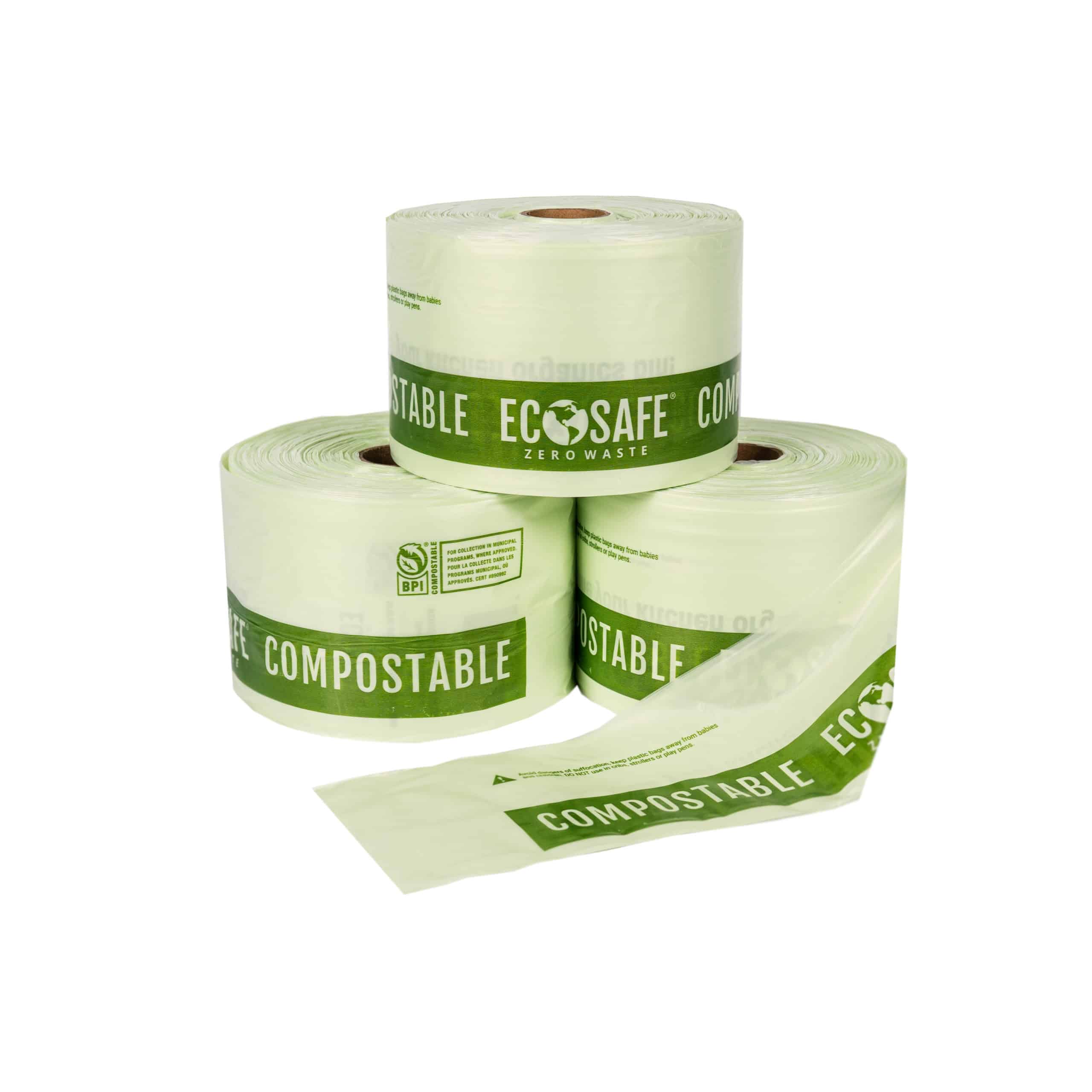
Compostable materials also break down naturally. But they must meet stricter conditions. Compostable products break down into nutrient-rich compost. This compost can improve soil quality and help plants grow. To be called compostable, a product must:
- Break down within a specific time
- Leave no toxic residue
- Turn into healthy compost
Compostable materials usually break down within 90 to 180 days in proper composting conditions. This is the key difference in the compostable vs biodegradable comparison. Compostable products follow clear standards. Biodegradable products may not.
Main Differences Between Compostable and Biodegradable
Let us clearly compare them.
- Breakdown Time
Biodegradable materials may take a very long time to break down. There is no fixed rule. Compostable materials must break down within a specific time under composting conditions.
- Environmental Impact
Biodegradable items might break down in landfills. But landfills often lack oxygen. This can cause methane gas production, which harms the environment. Compostable products break down in compost systems. They create useful compost instead of harmful waste.
- Standards and Certification
Biodegradable products often do not follow strict testing rules. Compostable products are usually certified by environmental standards. For example:
- ASTM D6400 (USA standard)
- EN 13432 (European standard)
These certifications ensure the product truly composts safely.
- Final Result
Biodegradable materials turn into natural elements. Compostable materials turn into nutrient-rich soil that supports plant growth.
Why the Difference Matters
Many companies use eco-friendly words for marketing. Sometimes products labeled biodegradable may still harm the environment. For example, some plastics are called biodegradable. But they only break down under special industrial conditions. In normal landfills, they may stay for years. This is why understanding compostable vs biodegradable helps you avoid greenwashing. Greenwashing happens when companies make products look environmentally friendly, even if they are not fully sustainable. When you know the difference, you make smarter and more responsible choices.
Industrial Composting vs Home Composting
Not all compostable products break down in your backyard compost pile.
There are two types of composting:
Industrial Composting Industrial composting facilities maintain high temperatures and controlled conditions. Many compostable plastics require these conditions. If these products go into the regular trash, they may not break down properly. Home Composting Home composting happens in your backyard compost bin. Food scraps, vegetable peels, coffee grounds, and garden waste compost easily at home. Some products are labeled “home compostable.” These are safer for small compost systems. Always check the label before buying compostable items.
Are Biodegradable Plastics Safe?
This is a common question. Some biodegradable plastics break down into tiny pieces called microplastics. These microplastics can remain in soil and water for a long time. This creates pollution problems. Compostable plastics, when certified, must fully break down without leaving harmful residue. This makes compostable products generally safer than biodegradable plastics. However, proper disposal is very important. Even compostable plastics should not be thrown into nature.
Which Is Better for the Environment?
When comparing compostable vs biodegradable, compostable products are usually better for the environment. Here is why:
- They break down faster
- They leave no toxic waste
- They improve soil health
- They follow strict standards
But compostable is only better if proper composting systems are available. If compostable products end up in regular landfills, their environmental benefit is reduced. The best solution is to reduce waste overall. Reusable products are even better than compostable or biodegradable ones.
Common Examples of Compostable Products
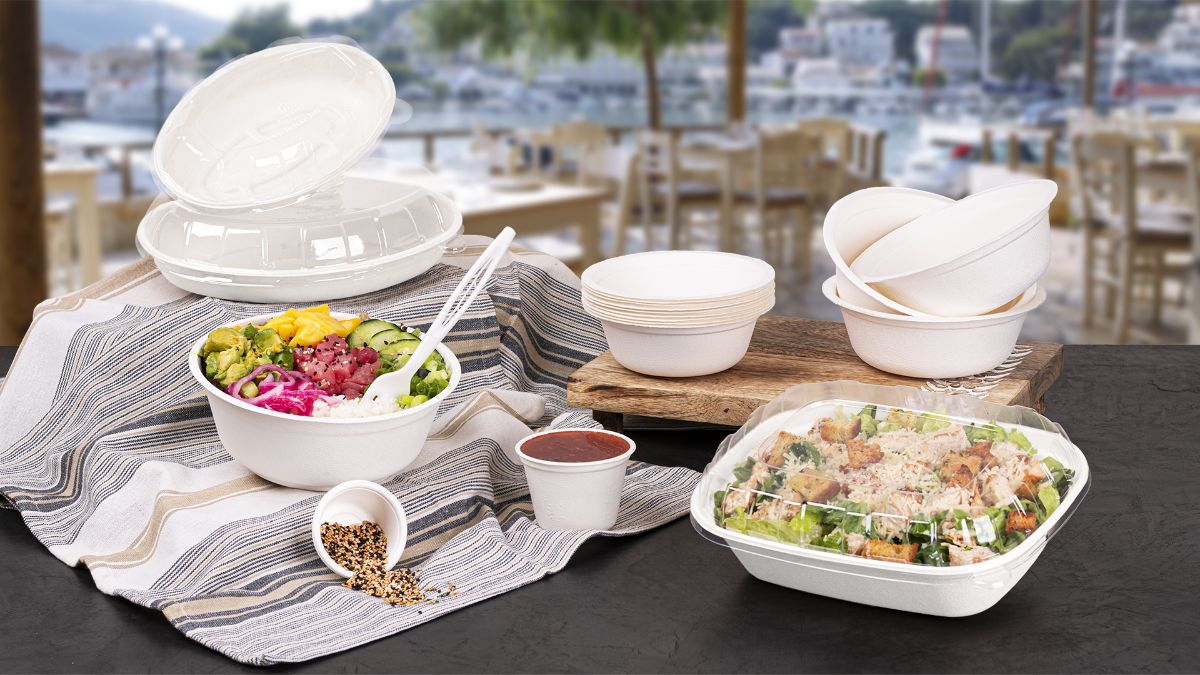
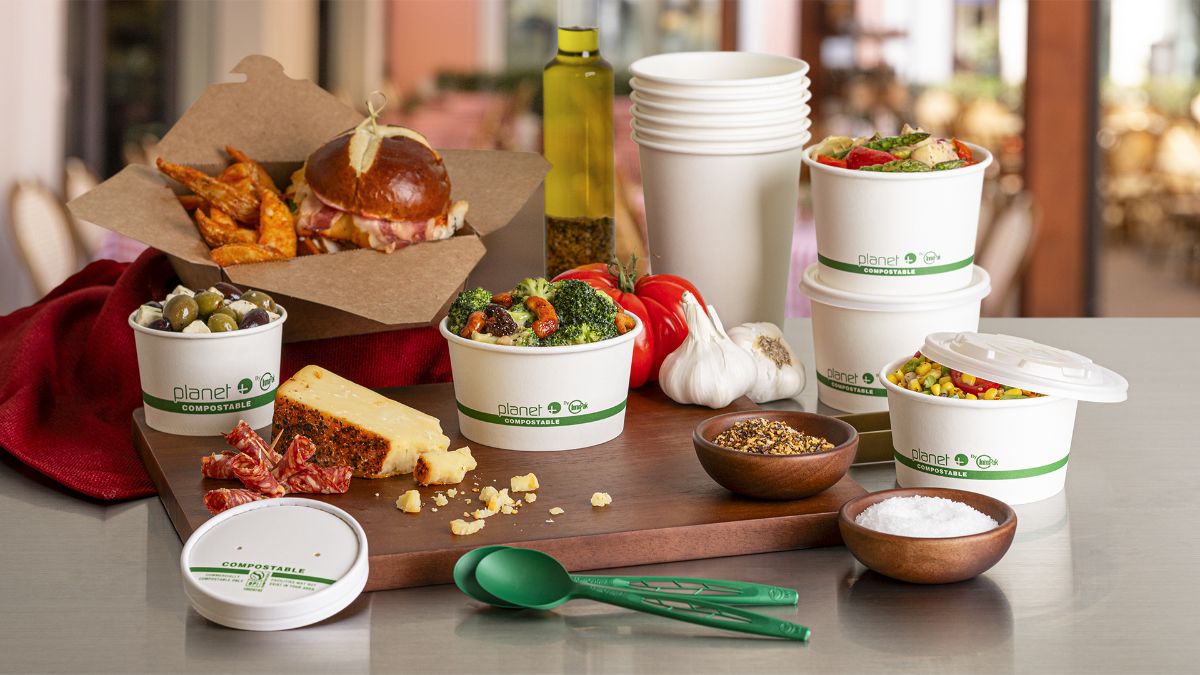
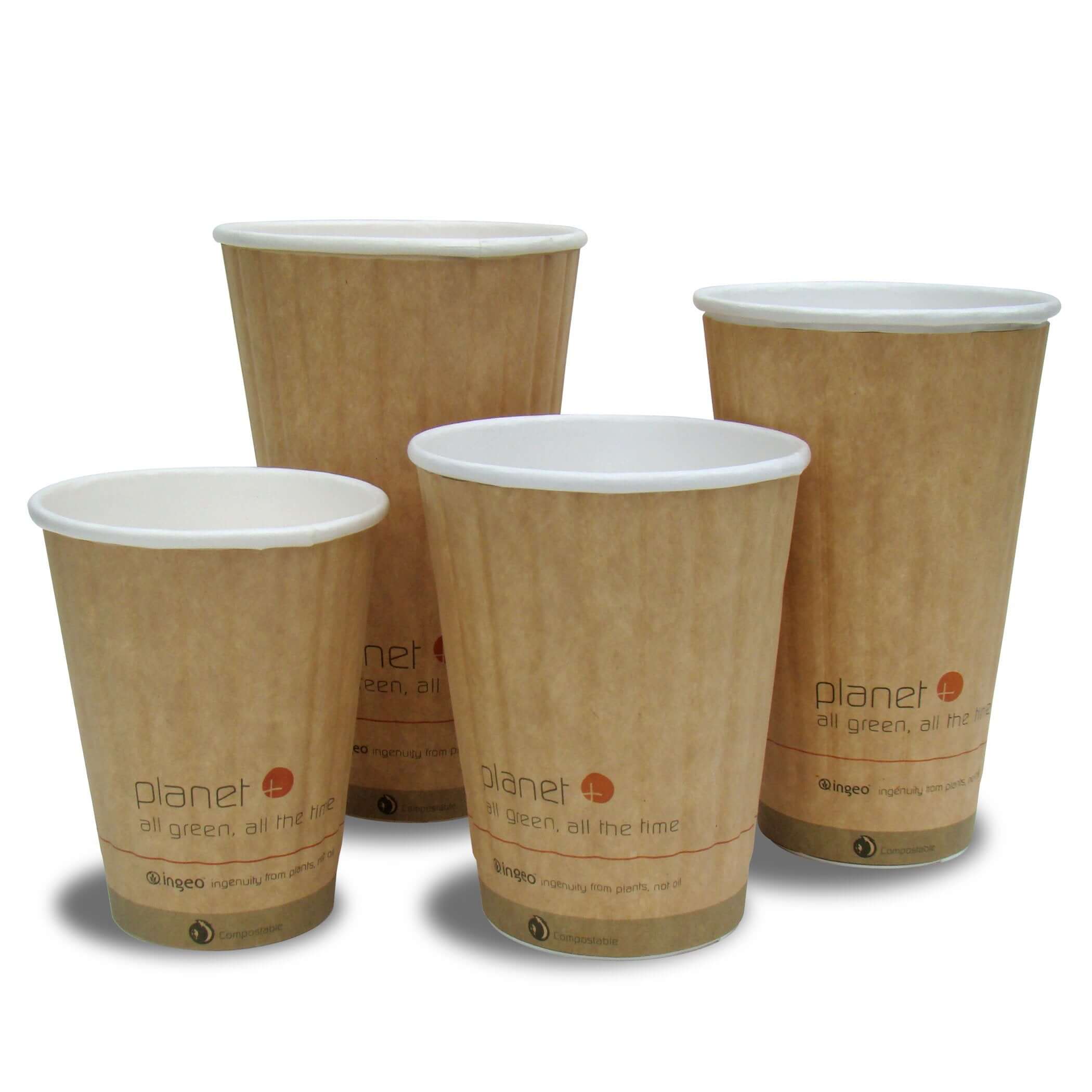
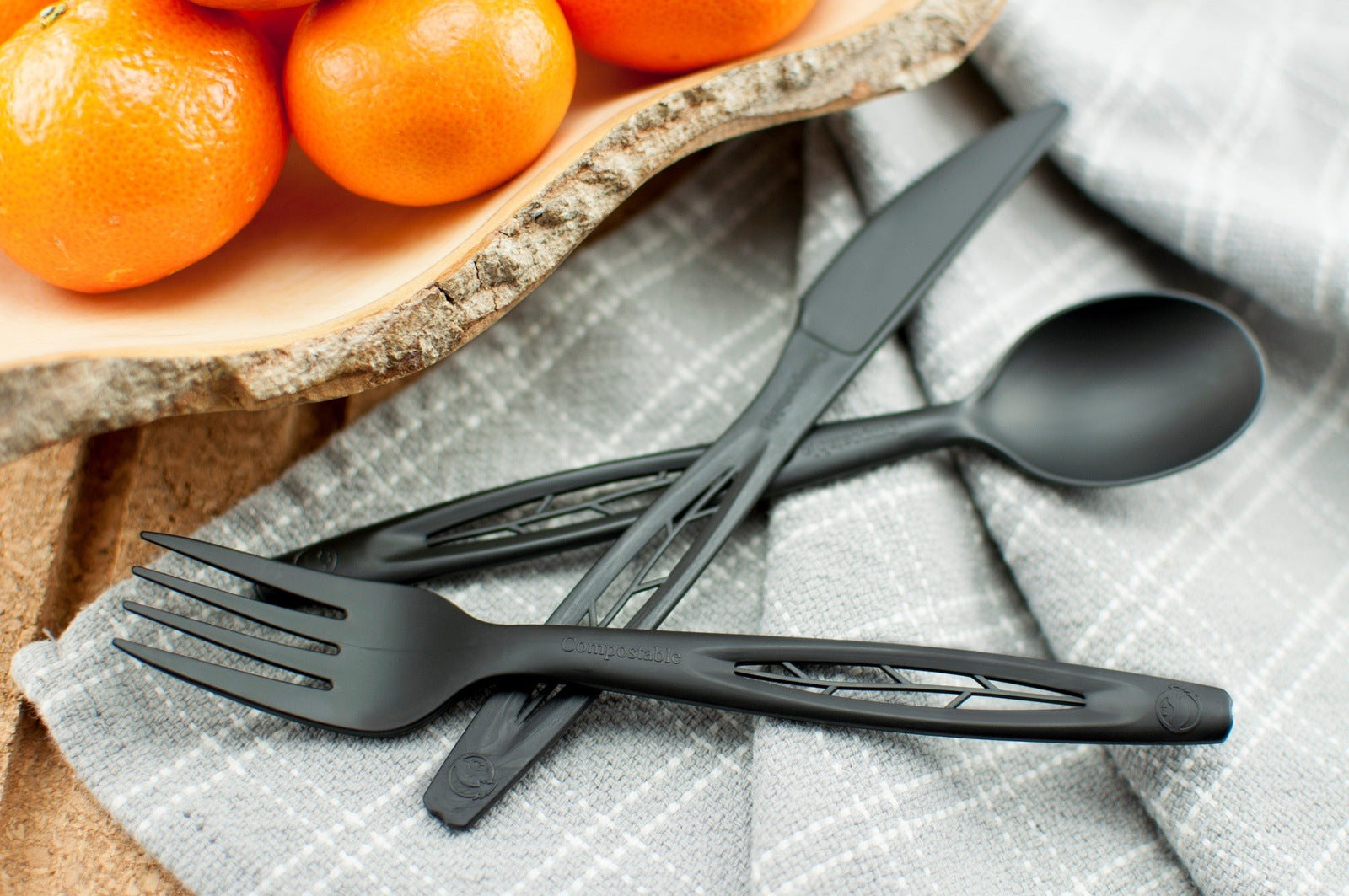
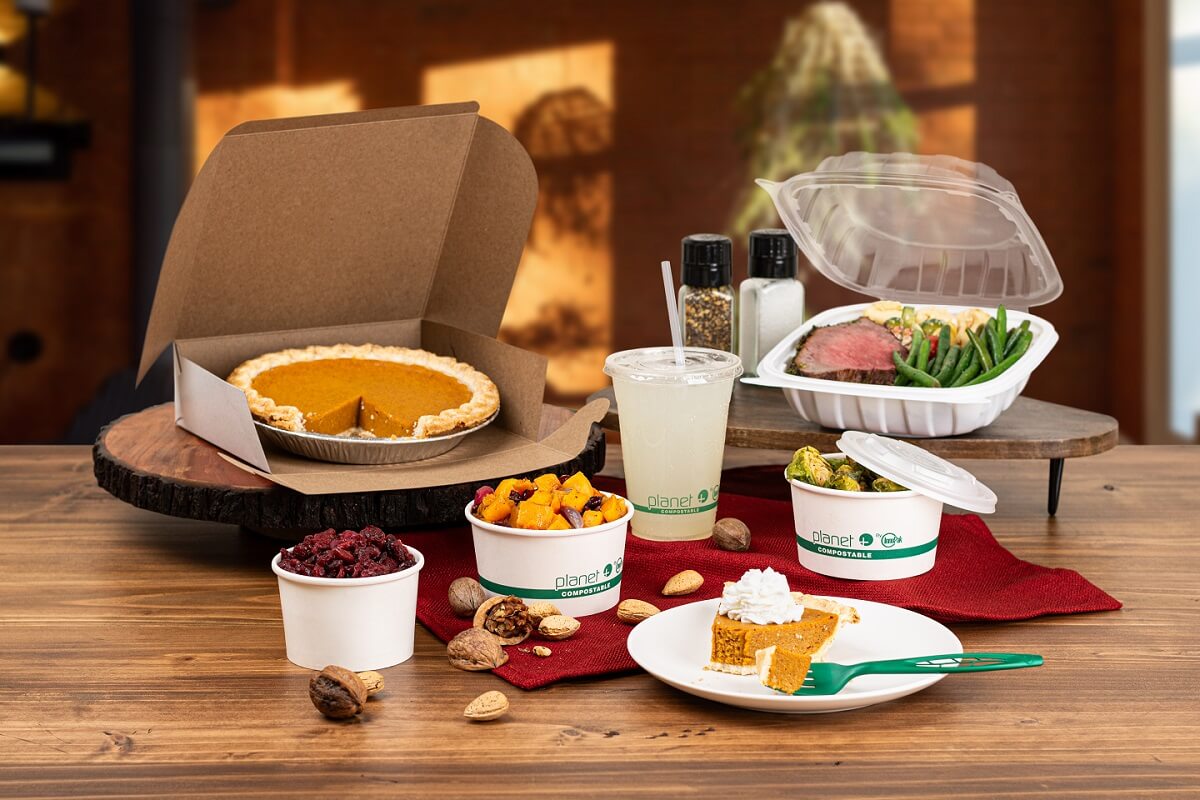
You may see compostable versions of:
Many of these are made from plant-based materials like cornstarch or sugarcane fiber. These materials break down faster compared to traditional plastics.
Common Examples of Biodegradable Products
Biodegradable products include:
- Paper towels
- Wooden spoons
- Natural fabrics
- Certain eco-friendly plastics
Remember, biodegradable does not always mean eco-safe. Always check if the product is certified and how it should be disposed of.
How to Choose the Right Option
When shopping, follow these simple steps:
- Read Labels Carefully
Look for certified compostable logos.
- Check Disposal Instructions
Some items require industrial composting.
- Avoid Misleading Terms
Words like “eco-friendly” or “green” may not mean much without certification.
- Reduce First
The most sustainable choice is reducing single-use items. Reusable bags, bottles, and containers are better than any disposable alternative.
The Problem with Landfills
Many people assume biodegradable and compostable products will break down in landfills. But landfills are tightly packed with limited oxygen. Without oxygen, decomposition slows down. This can produce methane gas. Methane is a powerful greenhouse gas that contributes to climate change. Proper waste separation is very important. Compostable waste should go to compost facilities. Recyclable waste should go to recycling centers. Education and awareness play a big role in waste management.
Compostable vs Biodegradable in Packaging Industry
The packaging industry is changing quickly. Many brands are moving away from traditional plastics. They now offer compostable packaging to reduce pollution. This is especially common in:
- Food delivery services
- Grocery stores
- Coffee shops
- Online shopping brands
However, infrastructure is still developing in many countries. Without proper compost facilities, compostable packaging may not achieve its full benefit. Governments and businesses need to work together to improve waste systems.
Future of Sustainable Materials
The future looks promising. Scientists are developing better plant-based materials. These materials break down faster and more safely. Many countries are introducing stricter laws against plastic waste. Consumers are becoming more aware. As awareness grows, demand for truly sustainable products increases. Understanding compostable vs biodegradable will help support the right solutions.
Final Thoughts
The terms compostable and biodegradable may sound similar, but they are not the same. Biodegradable means a product can break down naturally over time. But there is no guarantee about how long it will take or what remains after breakdown. Compostable means a product breaks down within a specific time and turns into nutrient-rich compost without leaving toxic residue. In most cases, compostable products are better for the environment, especially when proper composting systems are available. But the best solution is still reducing waste and choosing reusable products whenever possible. When shopping, read labels carefully. Look for certified standards. Understand disposal instructions. Small changes in daily habits can make a big difference. By learning the difference between compostable vs biodegradable, you are already taking a step toward a cleaner and healthier planet.