



Why Restaurants Are Switching to Compostable Packaging in 2026
Why Restaurants Are Switching to Compostable Packaging
The restaurant industry is changing faster than ever. Customers are no longer focused only on taste and price. Today, they also care about sustainability, environmental impact, and responsible business practices. One major shift we are seeing across cafes, food chains, and fine dining restaurants is the move toward compostable packaging. From takeaway containers to coffee cups and delivery boxes, compostable materials are replacing traditional plastic packaging. This shift is not just a trend. It reflects a deeper transformation in how restaurants operate and how customers make decisions. In this article, we will explore why restaurants are switching to compostable packaging, what benefits it offers, how it affects costs, and why it is becoming the future of food service.
The Growing Environmental Crisis
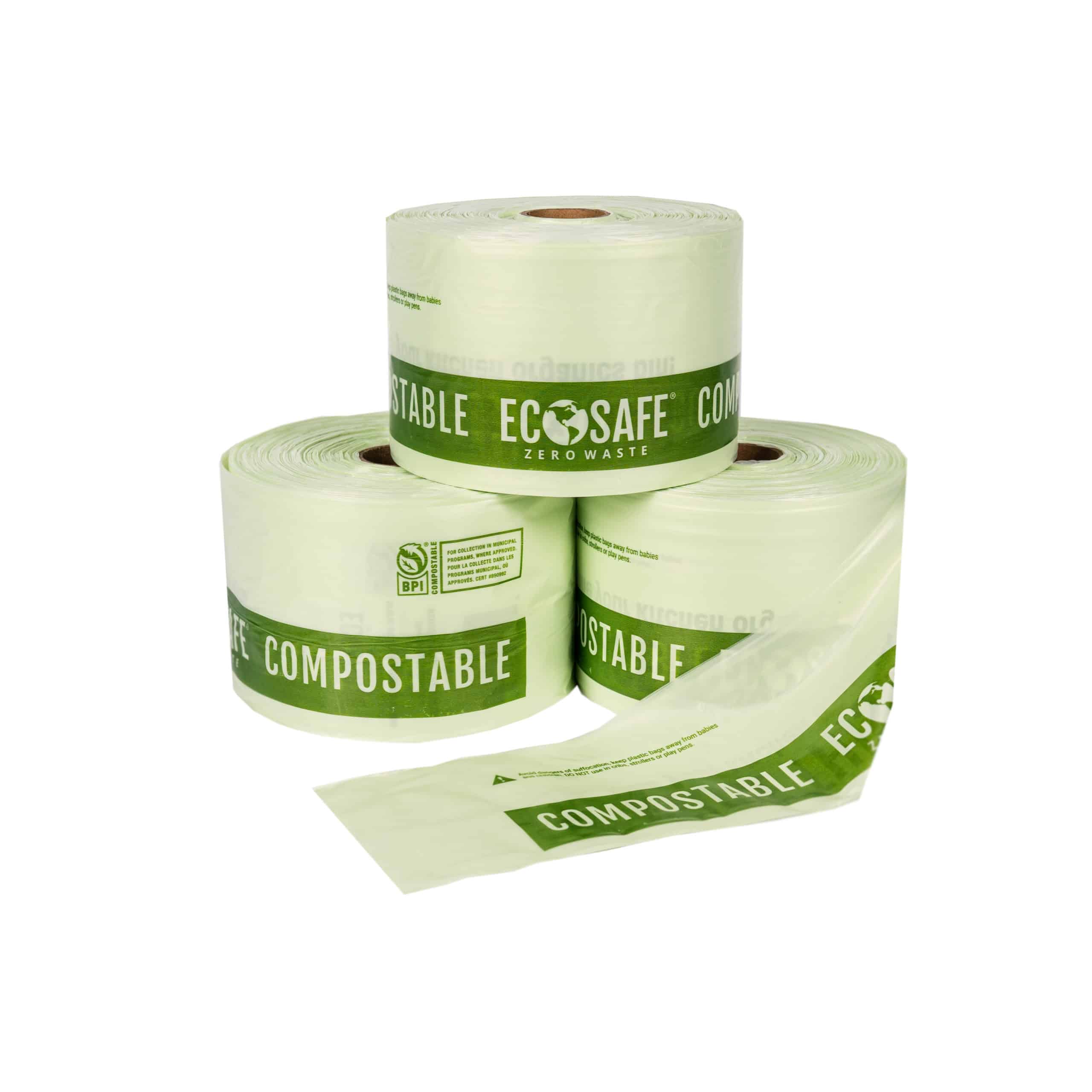
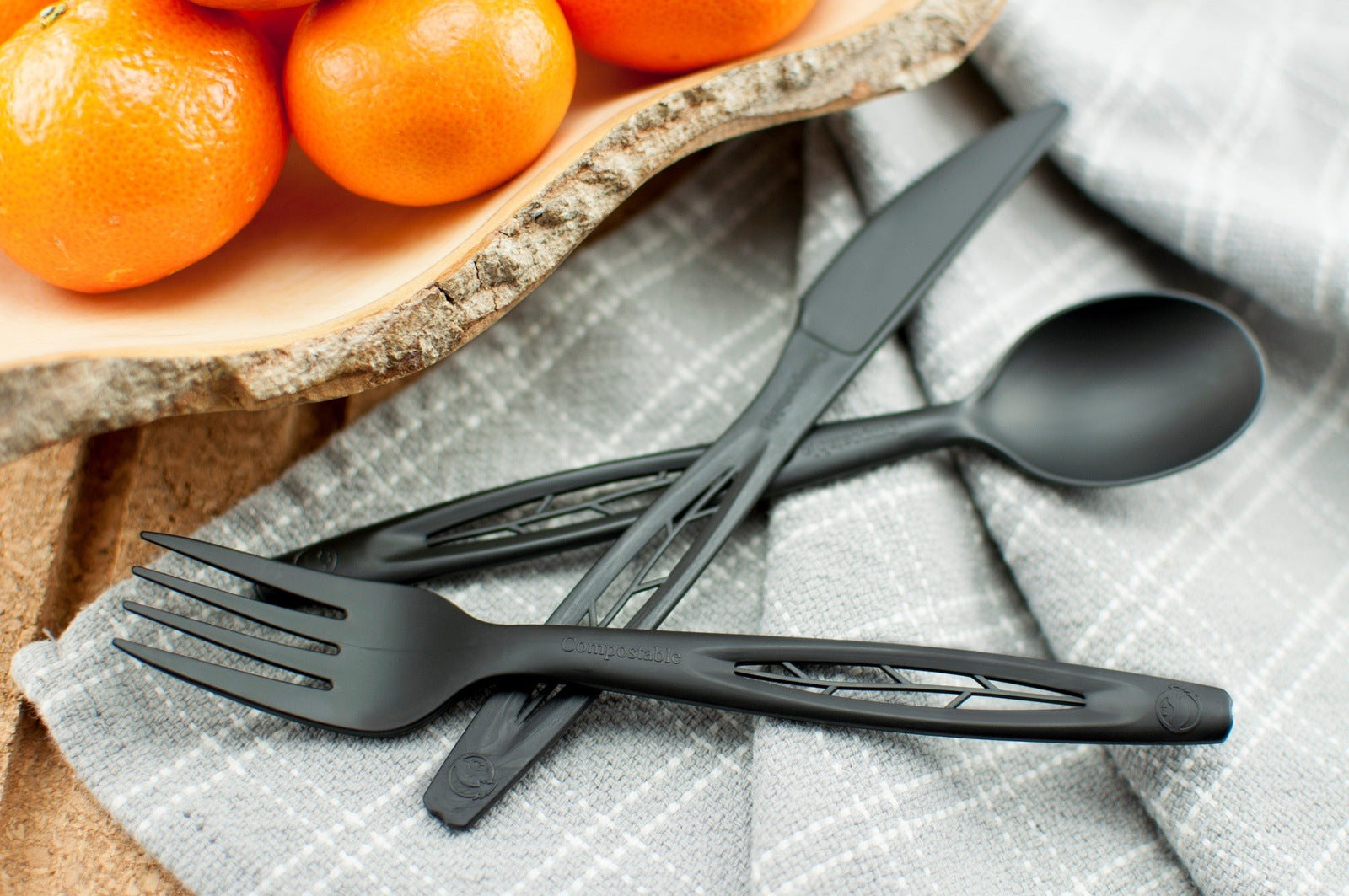
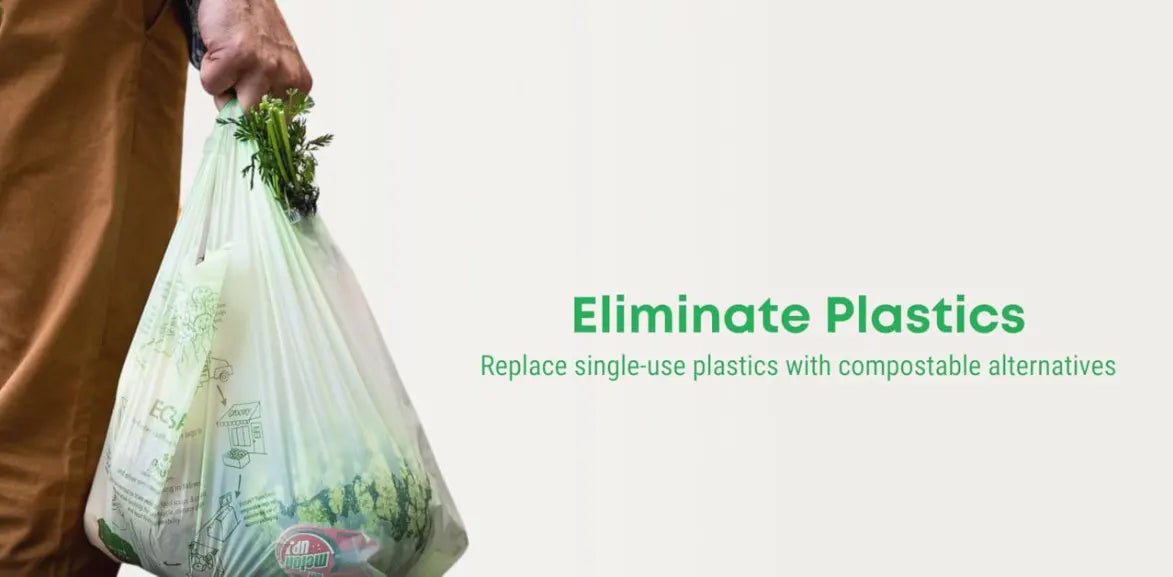
Plastic pollution has become one of the biggest environmental challenges in the world. Traditional food packaging, especially single-use plastics, can take hundreds of years to break down. During this time, it harms wildlife, pollutes oceans, and contributes to landfill overflow. Restaurants generate large amounts of packaging waste every day. Takeout containers, plastic cutlery, straws, lids, and wrapping materials often end up in landfills. Many of these items are used for only a few minutes before being thrown away. Compostable packaging offers a practical solution. Unlike plastic, compostable materials break down naturally into organic matter when placed in proper composting conditions. They return nutrients to the soil instead of sitting in landfills for decades. This environmental benefit is one of the main reasons restaurants are making the switch.
Rising Customer Demand for Sustainable Practices
Modern customers are more environmentally aware than previous generations. People actively look for brands that align with their values. When customers see a restaurant using compostable packaging, they feel that the business cares about the planet. Studies show that younger consumers, especially millennials and Gen Z, prefer eco-friendly brands. They are even willing to pay slightly higher prices for sustainable options. Restaurants understand this shift in consumer behavior. Switching to compostable packaging is not just about waste reduction. It is also about meeting customer expectations. When customers receive their food in eco-friendly containers, it creates a positive impression. This improves brand loyalty and encourages repeat business. In a competitive market, even small differences matter. Sustainable packaging helps restaurants stand out.
Government Regulations and Plastic Bans
Many governments around the world are introducing strict rules against single-use plastics. Plastic bags, straws, and foam containers are already banned in several regions. These regulations are forcing restaurants to find alternatives. Compostable packaging meets many of these regulatory requirements. It allows restaurants to comply with environmental laws while continuing to offer takeaway and delivery services. Instead of waiting for penalties or restrictions, many restaurants are making proactive changes. By switching early, they position themselves as responsible and forward-thinking businesses.
Improvement in Brand Image and Marketing
Sustainability is no longer a hidden internal policy. It is a powerful marketing message. Restaurants proudly display labels like “eco-friendly packaging” or “100% compostable containers” on their menus and websites. This messaging builds trust and improves brand reputation. Customers often share sustainable practices on social media. A simple compostable takeaway box can become part of a positive brand story online. Word-of-mouth marketing increases when customers feel good about supporting a responsible business. For many restaurants, compostable packaging is not just an operational decision. It is part of their brand identity.
Growth of Food Delivery Services
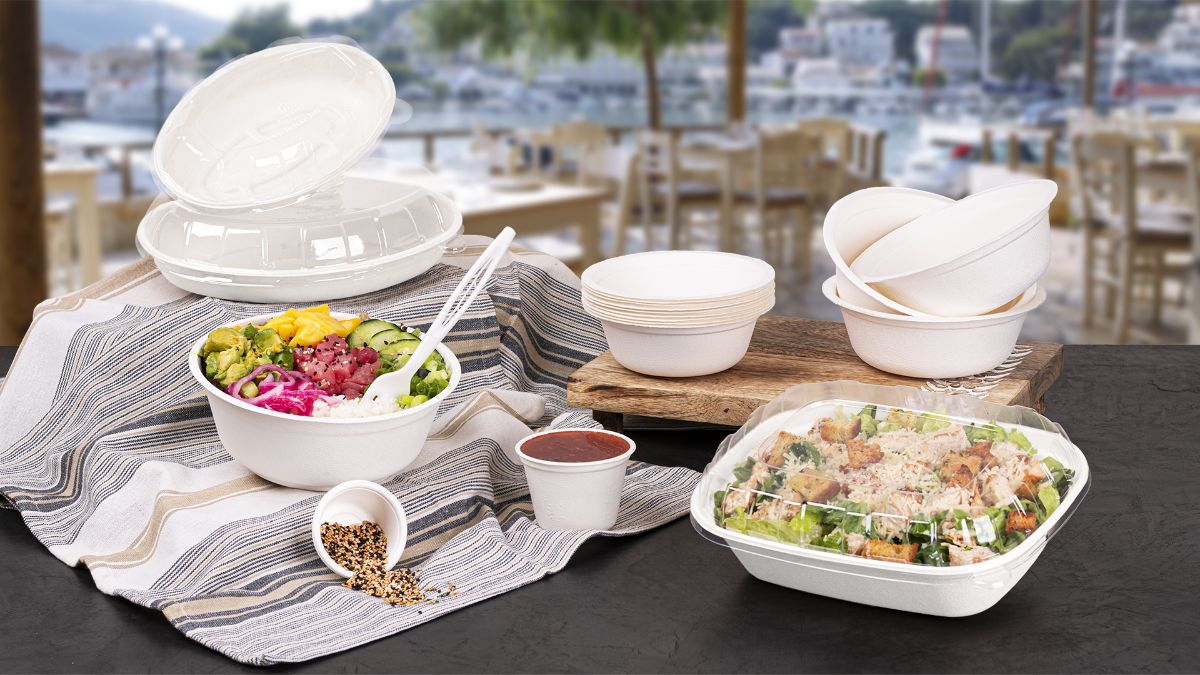
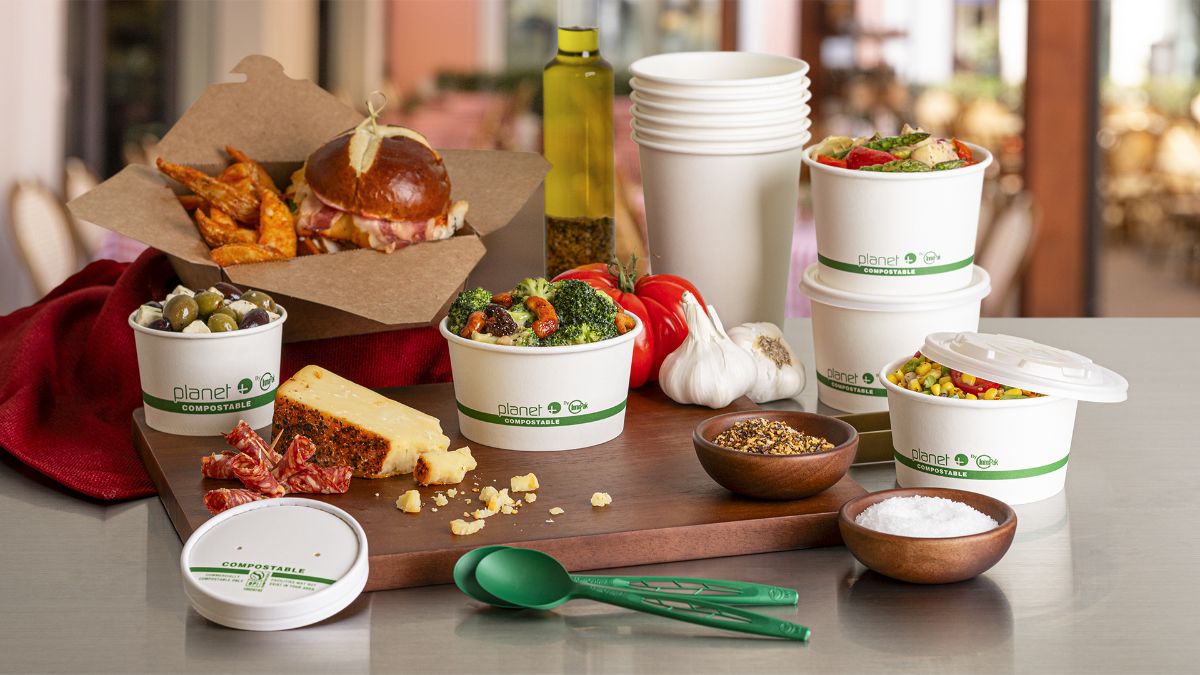
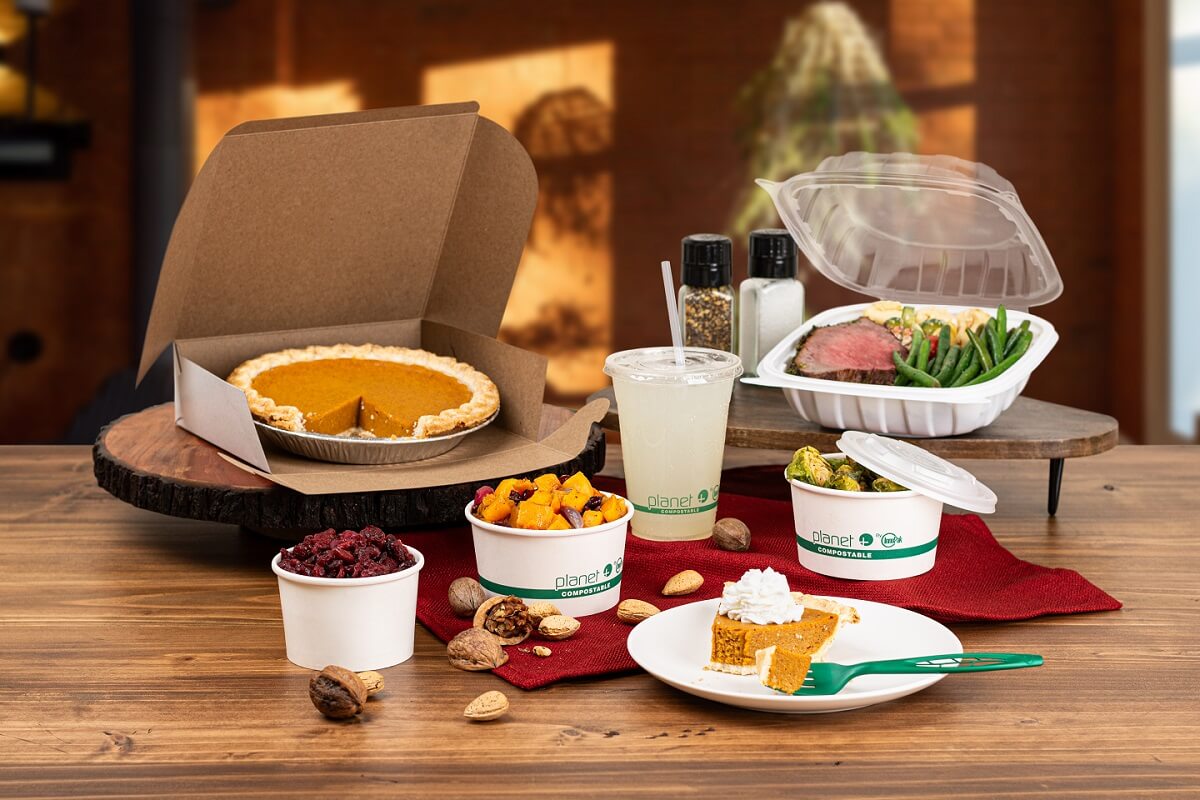
Food delivery has increased dramatically in recent years. With the rise of apps and online ordering, packaging has become more important than ever. Delivery requires strong, leak-proof, and temperature-resistant containers. In the past, plastic was the most common choice because it was cheap and durable. Today, compostable materials have improved significantly. Many compostable containers are just as strong and reliable as plastic. They can handle hot soups, cold desserts, and everything in between. As delivery volumes increase, so does packaging waste. Restaurants recognize this issue and are choosing compostable solutions to reduce environmental damage.
Long-Term Cost Considerations
At first glance, compostable packaging can be slightly more expensive than traditional plastic. This makes some restaurant owners hesitate. However, when looking at long-term benefits, the cost difference becomes smaller. As demand increases, production costs for compostable materials continue to decrease. Bulk purchasing also reduces expenses. Additionally, sustainable practices can attract more customers and improve brand loyalty. Increased customer retention often balances any small increase in packaging cost. Some local governments also offer incentives or tax benefits for businesses that adopt environmentally friendly practices. Over time, compostable packaging becomes a smart financial decision, not just an ethical one.
Better Waste Management Systems
Composting infrastructure is improving in many cities. Some areas now offer commercial compost pickup services specifically for restaurants. This makes it easier for restaurants to separate food waste and compostable packaging from regular trash. When done correctly, this reduces landfill waste significantly. Restaurants that manage waste responsibly often notice improved operational efficiency. Staff become more aware of waste reduction, and overall sustainability efforts expand beyond packaging. Switching to compostable materials often leads to broader environmental initiatives within the business.
Consumer Education and Awareness
Customers today understand the difference between recyclable, biodegradable, and compostable materials. Awareness campaigns and environmental education have increased over the years. When restaurants clearly communicate that their packaging is compostable, customers appreciate the transparency. Clear labeling helps customers dispose of items properly. Education builds trust. When customers know a business is honest about its sustainability efforts, they are more likely to support it long term.
Innovation in Compostable Materials
Modern compostable packaging is made from innovative plant-based materials. Common materials include sugarcane fiber, cornstarch, bamboo, and bagasse. These materials are renewable and break down naturally. They also look attractive and feel premium. Many customers cannot even tell the difference between compostable and traditional containers at first glance. Technology continues to improve. Manufacturers are creating packaging that is microwave-safe, grease-resistant, and strong enough for heavy meals. As innovation grows, compostable packaging becomes more practical for all types of restaurants, from small cafes to large fast-food chains.
Corporate Responsibility and Sustainability Goals
Many restaurant chains now publish sustainability reports. Environmental responsibility has become part of corporate strategy. Switching to compostable packaging helps restaurants reduce their carbon footprint. It aligns with global sustainability goals and corporate social responsibility commitments. Investors and stakeholders are also paying attention. Businesses with strong environmental practices often attract more support and positive public attention. Sustainability is no longer optional. It is becoming a standard expectation.
The Competitive Advantage
Restaurants operate in a highly competitive environment. Every detail influences customer choice. When two restaurants offer similar food and prices, customers may choose the one that uses eco-friendly packaging. This small difference can affect long-term success. Compostable packaging sends a strong message. It tells customers that the restaurant cares about more than profit. It shows responsibility, awareness, and leadership. In modern business, reputation is everything.
The Future of Restaurant Packaging
The shift toward compostable packaging is not temporary. It represents a long-term change in how the food industry operates. As environmental awareness continues to grow, customers will expect even higher sustainability standards. Regulations will likely become stricter. Composting systems will expand. Restaurants that adopt compostable packaging now are preparing for the future. They are reducing risk, improving brand image, and contributing to environmental protection. Over time, compostable materials may become the industry standard rather than the exception.
Conclusion
The reason why restaurants are switching to compostable packaging is clear. Environmental responsibility, customer demand, government regulations, brand image, and long-term business strategy all play a role. Compostable packaging reduces waste, supports sustainability goals, and strengthens customer trust. Although it may involve a small initial cost increase, the long-term benefits outweigh the challenges. The restaurant industry is evolving. Sustainability is no longer a luxury. It is becoming a necessity. By choosing compostable packaging, restaurants are not just serving food. They are serving a cleaner and more responsible future.