Operations
The Real Cost of Compostable Packaging: A Buyer's Breakdown
November 19, 2025 · 6 min read
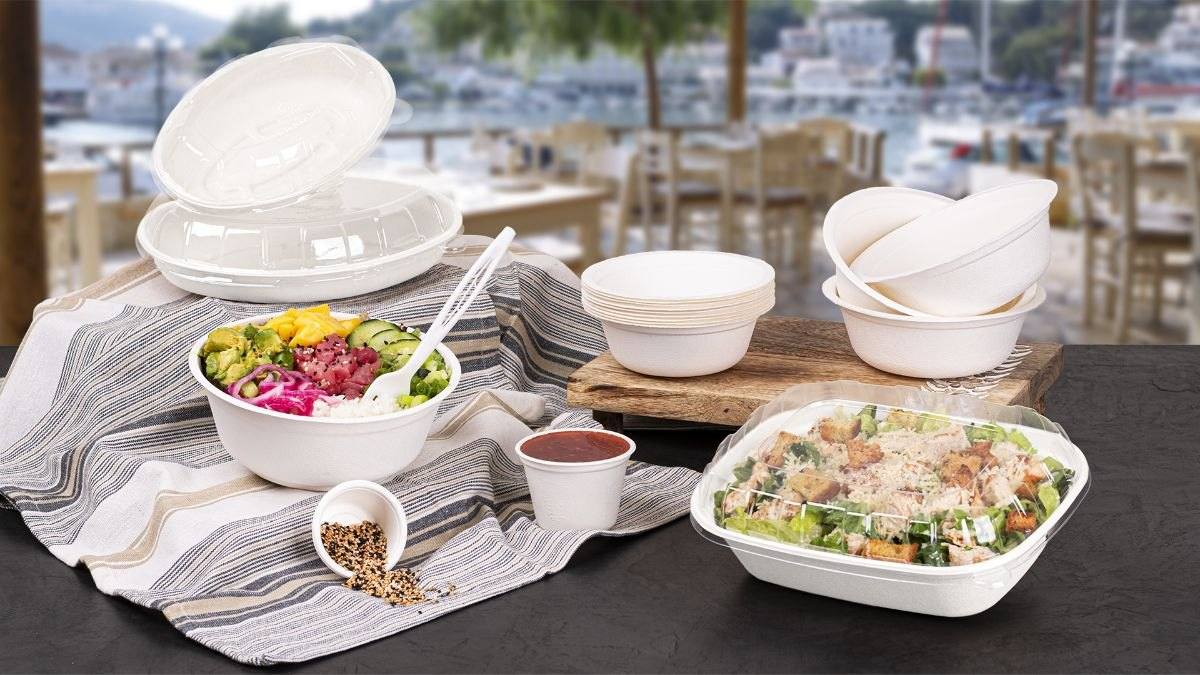
The most common objection to switching a foodservice program to compostables is a one line comparison: "the plastic cup costs less." That comparison is almost always incomplete. Here is what a real cost model includes.
1. Landed unit cost
Compare cases at delivered price, including freight, fuel surcharges, and pallet fees. Compostable manufacturers have narrowed the gap significantly in the last three years as bagasse and PLA volumes have grown.
2. Waste hauling fees
In most U.S. metros, compost tipping fees are 20 to 40 percent lower per ton than landfill fees. If you divert half of your service ware volume from landfill to compost, the monthly hauling invoice often drops enough to offset the higher case price.
3. Compliance risk
Fines for PFAS violations in California, Washington, and Maine now reach into six figures per SKU. A single positive lab test on a legacy paper plate can dwarf a decade of savings from cheaper cases.
4. Brand and RFP value
Corporate accounts, universities, and municipal buyers increasingly require compostable service ware in their bid packages. Losing a single account for lack of compliant packaging is often worth more than the entire annual packaging spend.
5. Labor
Compostable trays and bowls that stack and nest properly reduce line labor. Do not overlook operational fit when you compare products.
The honest answer
For most operators, the total cost of a compliant compostable program is within a few percent of a conventional plastic program, and often lower once hauling and compliance are included. Model your own numbers with a 12 month horizon before you decide.
Keep reading
What Does ASTM D6400 Actually Mean for Compostable Packaging?
If a product is labeled compostable, ASTM D6400 is usually the reason. Here is what the standard tests, why BPI certification matters, and how to spot greenwashing.

PFAS Free Foodservice Packaging: Why It Is Now the Baseline
By 2026, more than a dozen U.S. states restrict PFAS in foodware. Here is what changed, what to swap out, and how to verify a supplier's claims.