Sustainability
PFAS Free Foodservice Packaging: Why It Is Now the Baseline
March 4, 2026 · 5 min read
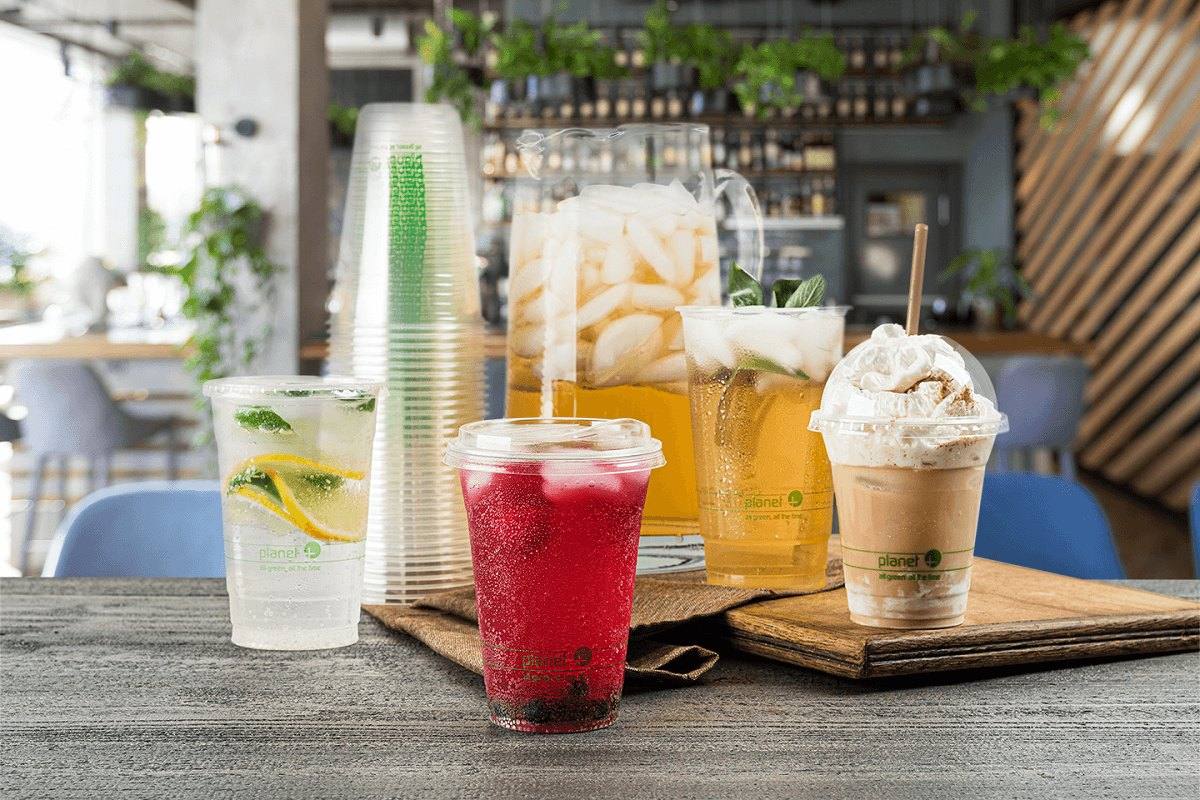
PFAS, short for per and polyfluoroalkyl substances, spent decades in paper plates, molded fiber bowls, and grease resistant wrappers. They work well and they do not break down in the environment. That is exactly the problem.
What changed
California, Washington, Colorado, New York, Minnesota, Maine, Rhode Island, and Vermont have all restricted intentionally added PFAS in foodware, with more states filing bills every legislative session. Retailers and large foodservice operators have moved faster than the law in many cases, since a single positive PFAS test can trigger a product recall and public relations damage that dwarfs the cost of switching suppliers.
What replaced it
Modern bagasse (sugarcane fiber) and molded pulp use plant based grease barriers, refined pulp geometry, and mineral additives to resist oil without fluorinated coatings. The result is a plate that holds a hot, oily meal for a full lunch service, then composts cleanly without shedding forever chemicals into soil, water, or food.
How to verify a supplier
- Ask for a written PFAS free statement on company letterhead, not a marketing page.
- Confirm BPI certification, since BPI requires total fluorine testing under 100 ppm.
- Match the SKU on the certificate to the SKU on your invoice, line by line.
- Request a Certificate of Analysis if you sell into California or Washington.
Why this matters for your brand
Buyers now read the label. A single viral post about "forever chemicals in your salad bowl" can cost more than a decade of packaging savings. Every product in the Lotus Group catalog is PFAS free by default. It is not an upgrade tier, it is the only tier we sell.
Keep reading
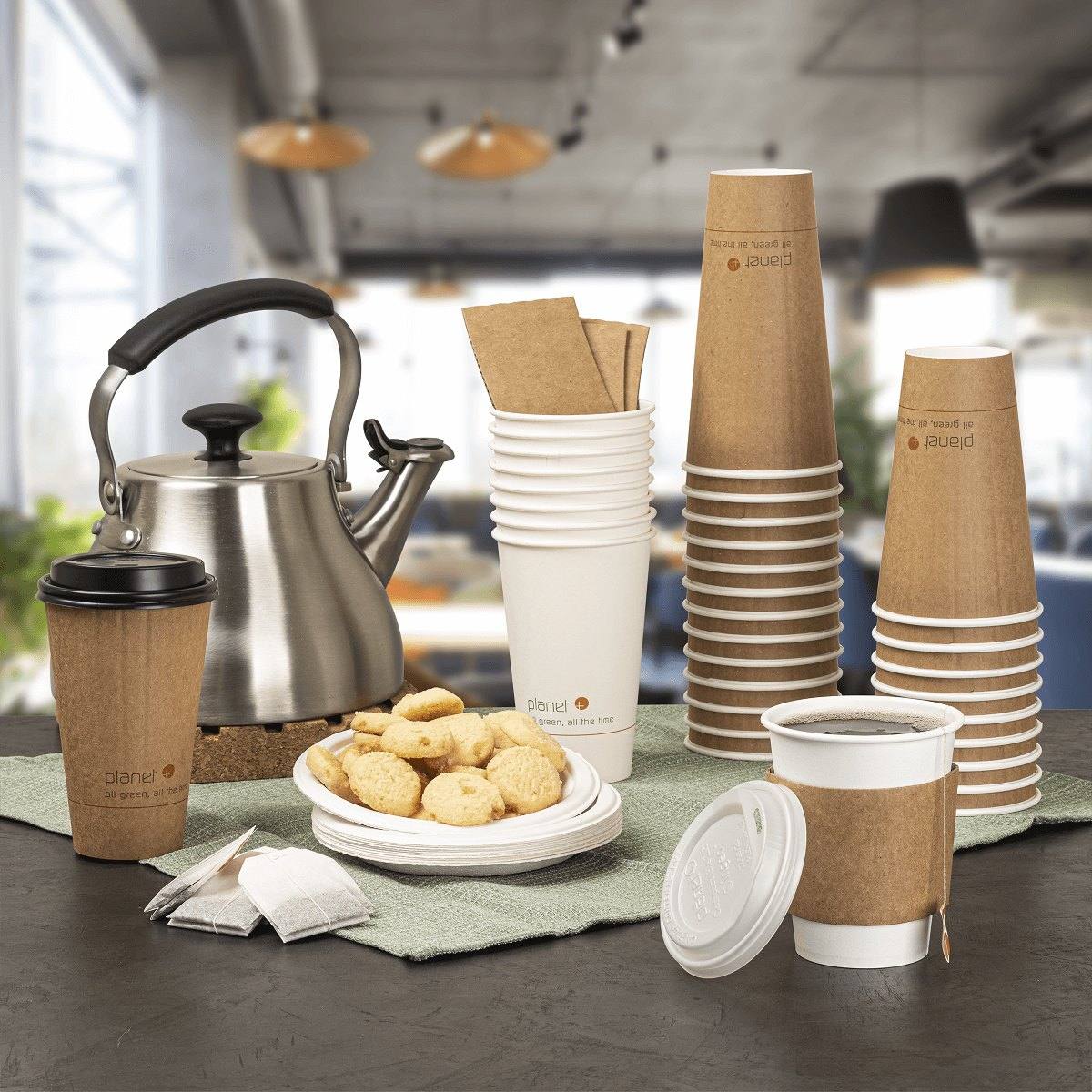
What Does ASTM D6400 Actually Mean for Compostable Packaging?
If a product is labeled compostable, ASTM D6400 is usually the reason. Here is what the standard tests, why BPI certification matters, and how to spot greenwashing.
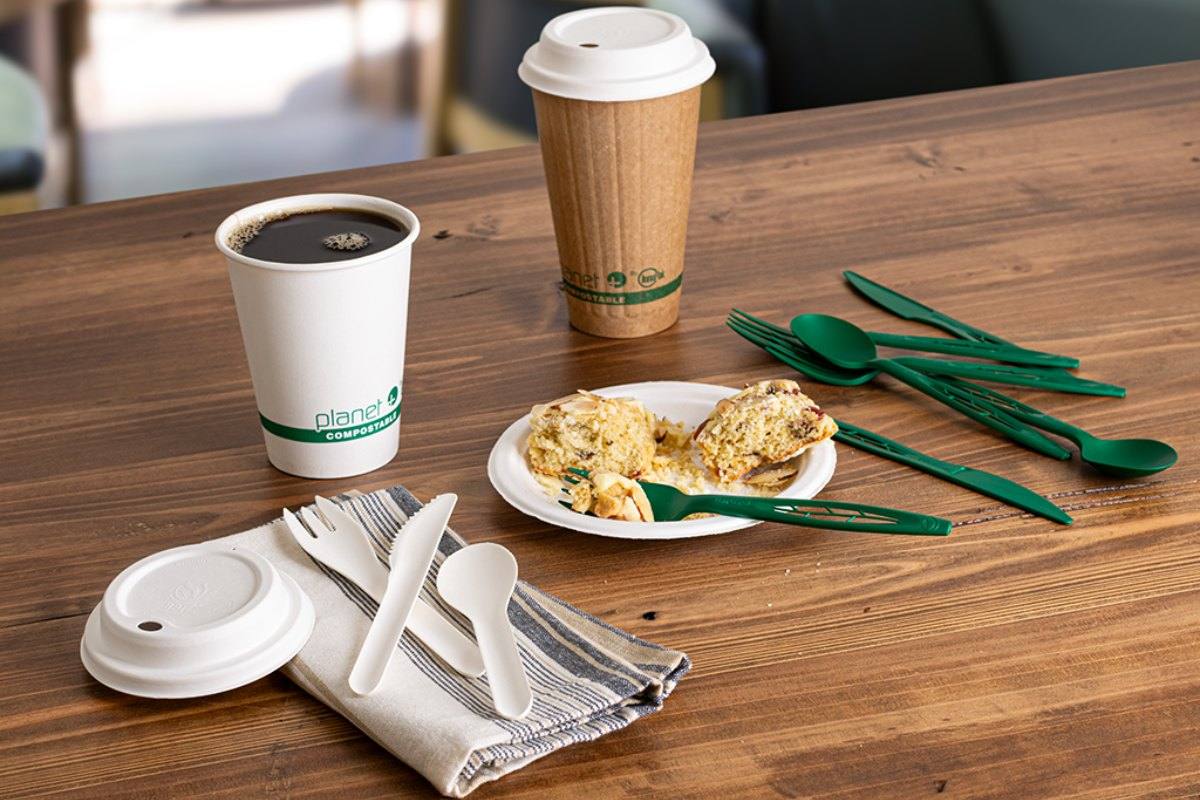
How to Run a Zero Waste Event: A Practical Checklist
Zero waste does not happen because you bought compostable cups. It happens because your bins, signage, and hauler agreement all line up. Here is the playbook.