Operations
How to Run a Zero Waste Event: A Practical Checklist
February 18, 2026 · 7 min read
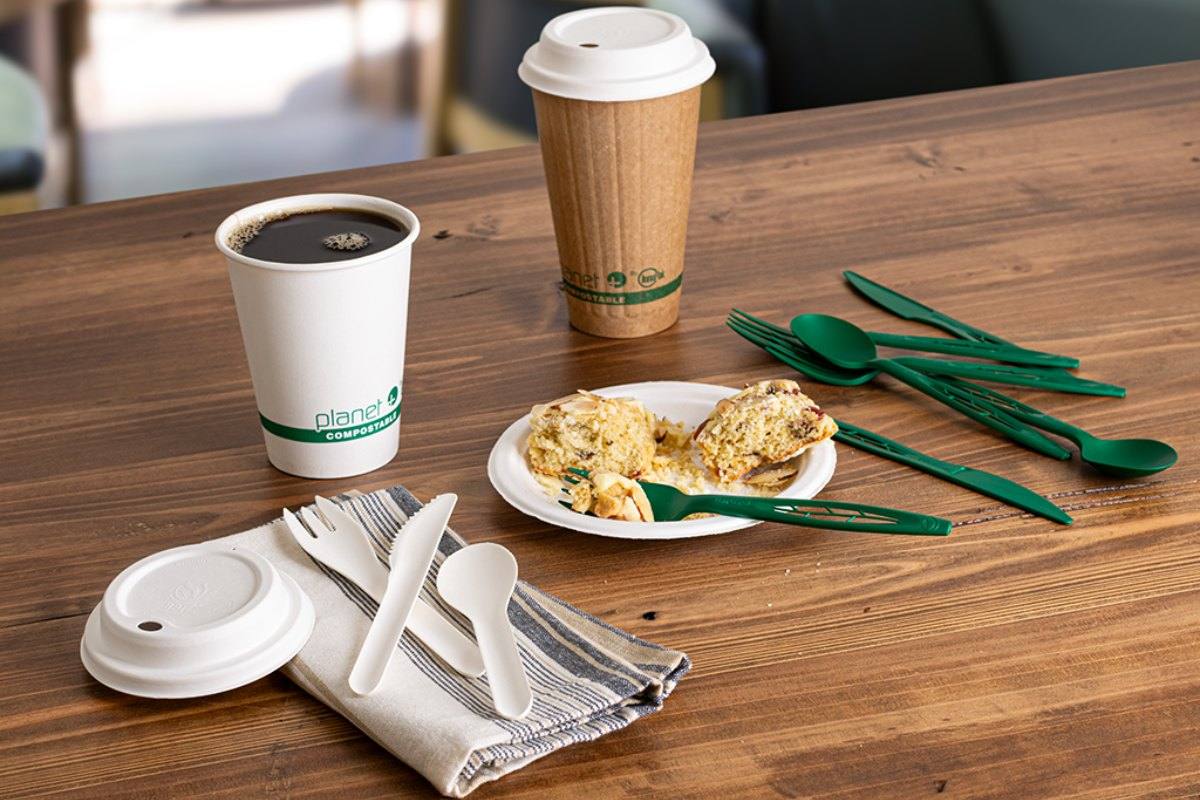
Compostable packaging only lands in the compost stream if the whole system supports it. Buy the right cups and skip the rest of the plan, and everything ends up in landfill just like the plastic you replaced.
Two weeks before the event
- Confirm in writing that a commercial composting hauler will accept BPI certified items on your event date.
- Order matching cups and lids from one product family so guests are not guessing which stream they belong to.
- Print bin signage with photos of the actual items you are serving, not generic clip art.
- Brief your food vendors on what materials are allowed. One tray of foil lined wrappers can contaminate a full compost load.
During the event
- Station a volunteer at every sorting bin for the first hour of service.
- Always group compost, recycle, and landfill bins together. A lone compost bin becomes a landfill bin within minutes.
- Remove mixed material items such as plastic straws in paper cups or foil lined wrappers.
- Refill bin liners before they overflow, since a full bin invites cross contamination.
After the event
Weigh your compost, recycling, and landfill bags separately. You will learn where guests were confused, and you will have real numbers to publish in your sustainability report. The best zero waste events are not the ones with the fanciest packaging. They are the ones that measure diversion honestly and improve next year.
A quick word on cost
Compostable service ware costs slightly more per unit than conventional plastic, but the total waste bill often drops because compost tipping fees are lower than landfill fees in most municipalities. Ask your hauler for a per ton comparison before your next event.
Keep reading
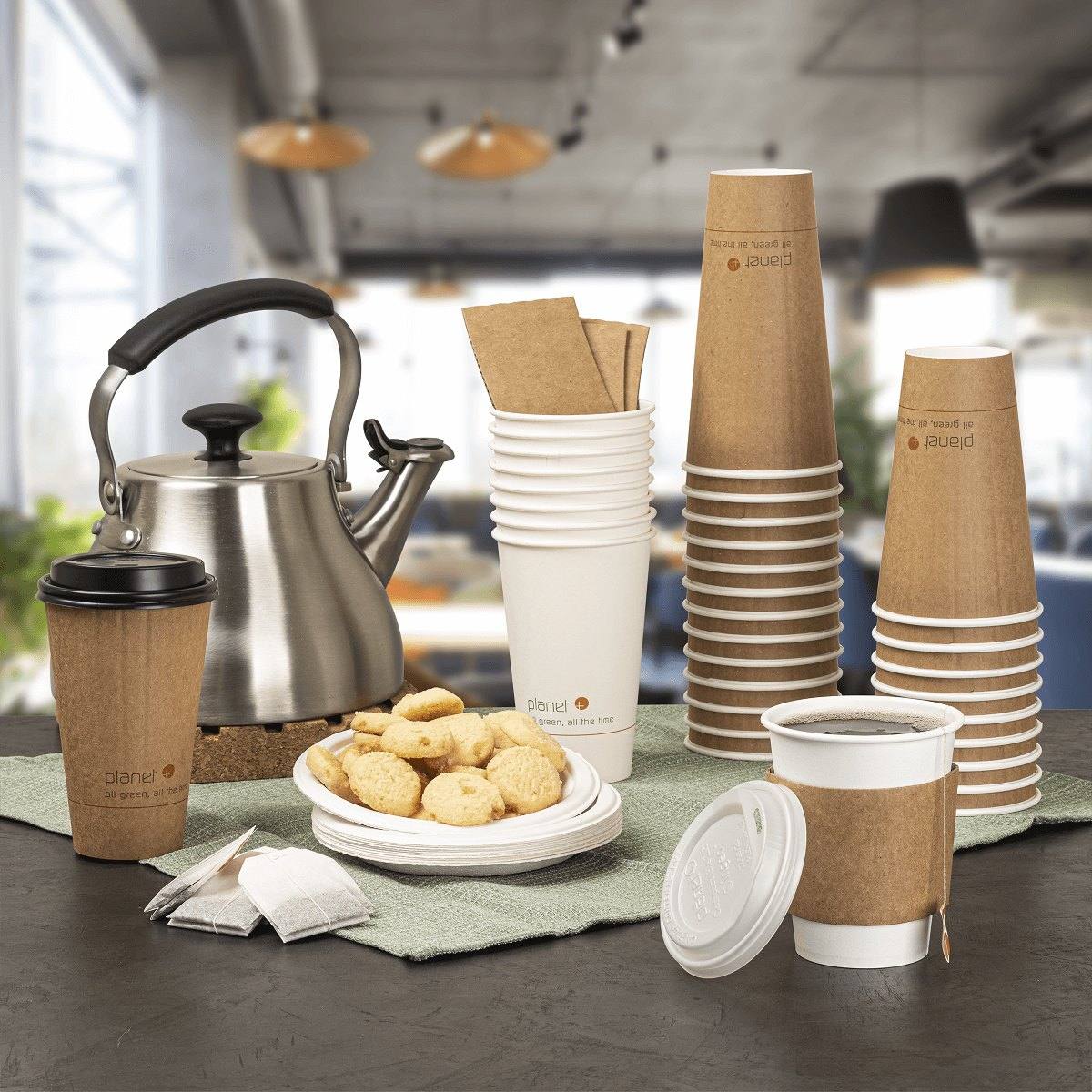
What Does ASTM D6400 Actually Mean for Compostable Packaging?
If a product is labeled compostable, ASTM D6400 is usually the reason. Here is what the standard tests, why BPI certification matters, and how to spot greenwashing.

PFAS Free Foodservice Packaging: Why It Is Now the Baseline
By 2026, more than a dozen U.S. states restrict PFAS in foodware. Here is what changed, what to swap out, and how to verify a supplier's claims.