Standards
What Does ASTM D6400 Actually Mean for Compostable Packaging?
April 12, 2026 · 6 min read
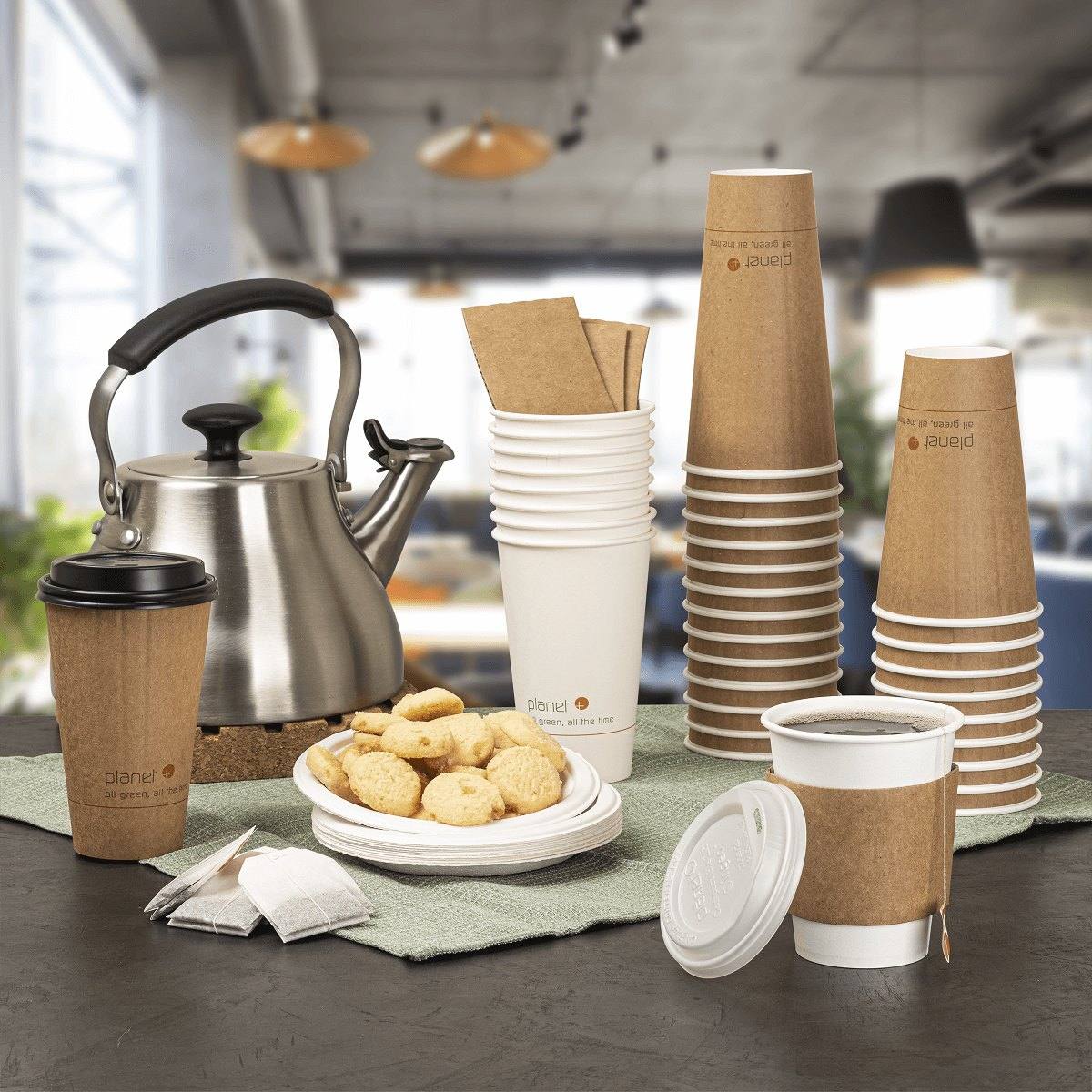
You will see the phrase "ASTM D6400" printed on the bottom of nearly every compostable cup, plate, or clamshell we ship. But what does the standard actually guarantee, and how does it protect the composting facility that eventually receives the product?
The short version
ASTM D6400 is the U.S. standard for plastics designed to biodegrade in commercial composting facilities. To pass, a product must disintegrate into small fragments, biodegrade into carbon dioxide, water, and biomass within 180 days, and leave no toxic residue behind that would harm plant growth or soil health.
Why BPI certification matters
The Biodegradable Products Institute (BPI) is the third party body that verifies D6400 claims in North America. A BPI logo means an independent lab, not the manufacturer, confirmed the product meets every criterion, including the added restriction on intentionally added PFAS finalized in 2020. Without third party verification, "compostable" is just a marketing word.
ASTM D6400 vs ASTM D6868
D6400 applies to plastics such as PLA cups and cutlery. D6868 applies to fiber substrates with a biodegradable coating, such as a paper hot cup lined with PLA instead of polyethylene. Both are recognized by BPI, and both certify a product for commercial composting, not backyard compost bins.
What to look for on the packaging
- The BPI certification mark and the certificate number
- A specific standard reference: ASTM D6400 or ASTM D6868
- A clear statement that the item is PFAS free
- Country of manufacture and the applicable resin, fiber, or coating
The greenwashing checklist
Anything vague, such as "eco friendly," "green," "earth safe," or "biodegradable" without a standard, is marketing rather than certification. If you are switching a foodservice program to compostables, ask your supplier for the current BPI certificate that matches the SKU on your invoice. Every Lotus Group SKU carries one, and we are happy to send it before you place an order.
Keep reading

PFAS Free Foodservice Packaging: Why It Is Now the Baseline
By 2026, more than a dozen U.S. states restrict PFAS in foodware. Here is what changed, what to swap out, and how to verify a supplier's claims.

How to Run a Zero Waste Event: A Practical Checklist
Zero waste does not happen because you bought compostable cups. It happens because your bins, signage, and hauler agreement all line up. Here is the playbook.