Standards
Compostable vs Biodegradable vs Recyclable: The Real Differences
January 22, 2026 · 6 min read
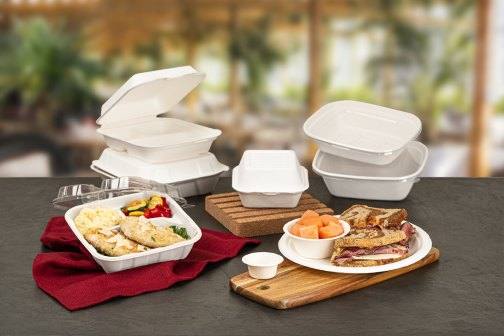
Three of the most misused words in packaging are compostable, biodegradable, and recyclable. Vendors mix them freely, buyers assume they are interchangeable, and the result is confused waste streams and lost recovery.
Biodegradable
Biodegradable simply means a material can be broken down by microorganisms into water, carbon dioxide, and biomass. There is no timeline requirement, no environment requirement, and in the U.S. no federal standard behind the plain word. A wood chair is biodegradable. So is a plastic bag, given a few centuries. Without a testing standard attached, the word tells you almost nothing.
Compostable
Compostable is biodegradable with rules. In North America, ASTM D6400 and ASTM D6868 define what qualifies. A compostable product must break down into safe soil amendment within 180 days in a commercial composting facility, and it cannot leave harmful residue. Look for BPI certification to confirm the claim.
Recyclable
Recyclable means a product can be collected, sorted, and remanufactured into a new item within existing infrastructure. The key phrase is "existing infrastructure." A material can be technically recyclable and practically unrecyclable if no one within 500 miles of your business accepts it. Check with your local hauler before making the claim to customers.
How to pick the right stream
- Serving food that will get soiled with grease or sauce? Compostable is almost always the right answer.
- Selling a clean, dry retail item such as a bottle or box? Recyclable often recovers more material.
- Choose one system per venue. Split streams confuse guests and increase contamination.
When in doubt, print the word next to a photo of the correct bin. Icons are more effective than paragraphs on a busy service line.
Keep reading
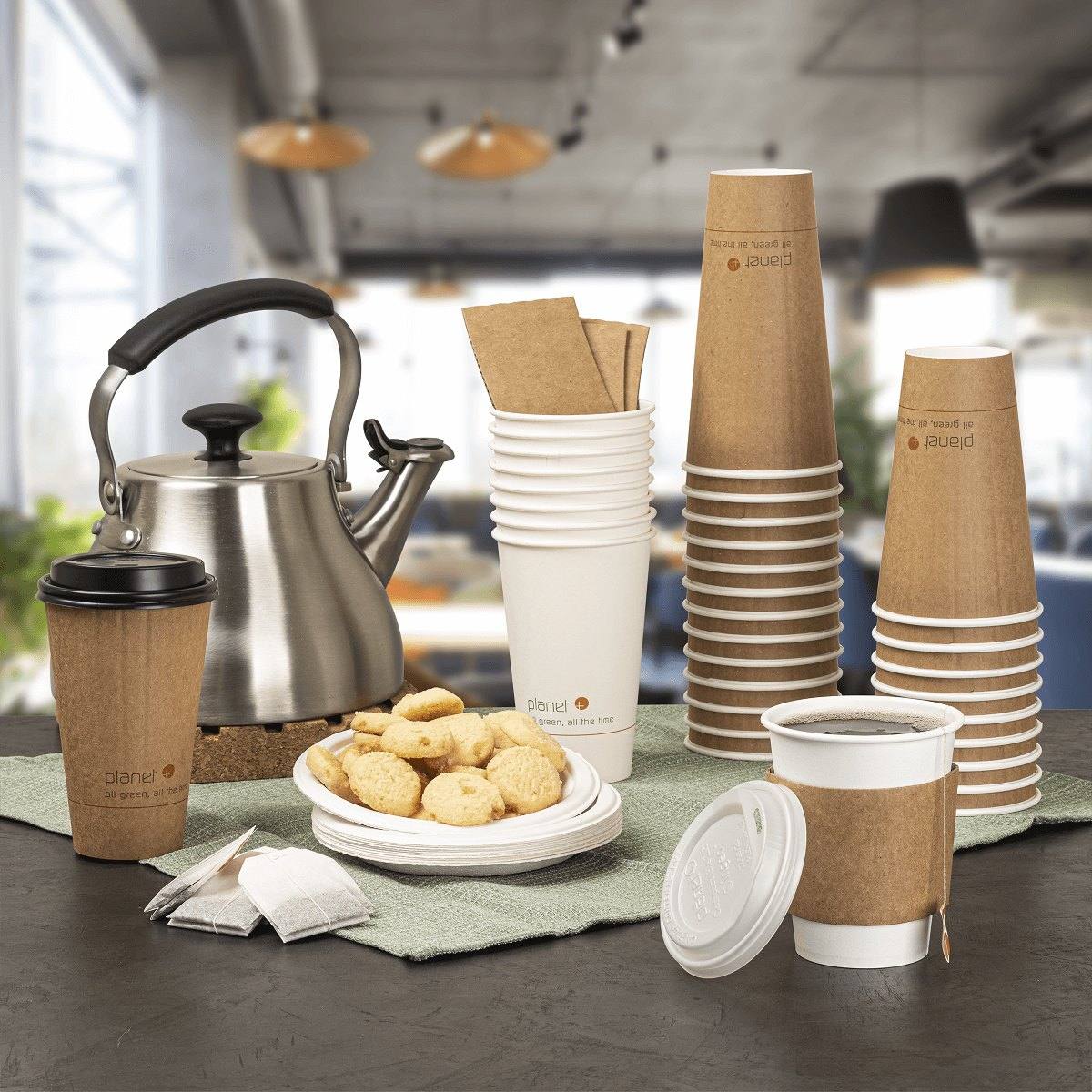
What Does ASTM D6400 Actually Mean for Compostable Packaging?
If a product is labeled compostable, ASTM D6400 is usually the reason. Here is what the standard tests, why BPI certification matters, and how to spot greenwashing.

PFAS Free Foodservice Packaging: Why It Is Now the Baseline
By 2026, more than a dozen U.S. states restrict PFAS in foodware. Here is what changed, what to swap out, and how to verify a supplier's claims.