
Materials
PLA Cold Cups: Plant Based Plastic Without the Petroleum
December 14, 2025 · 5 min read
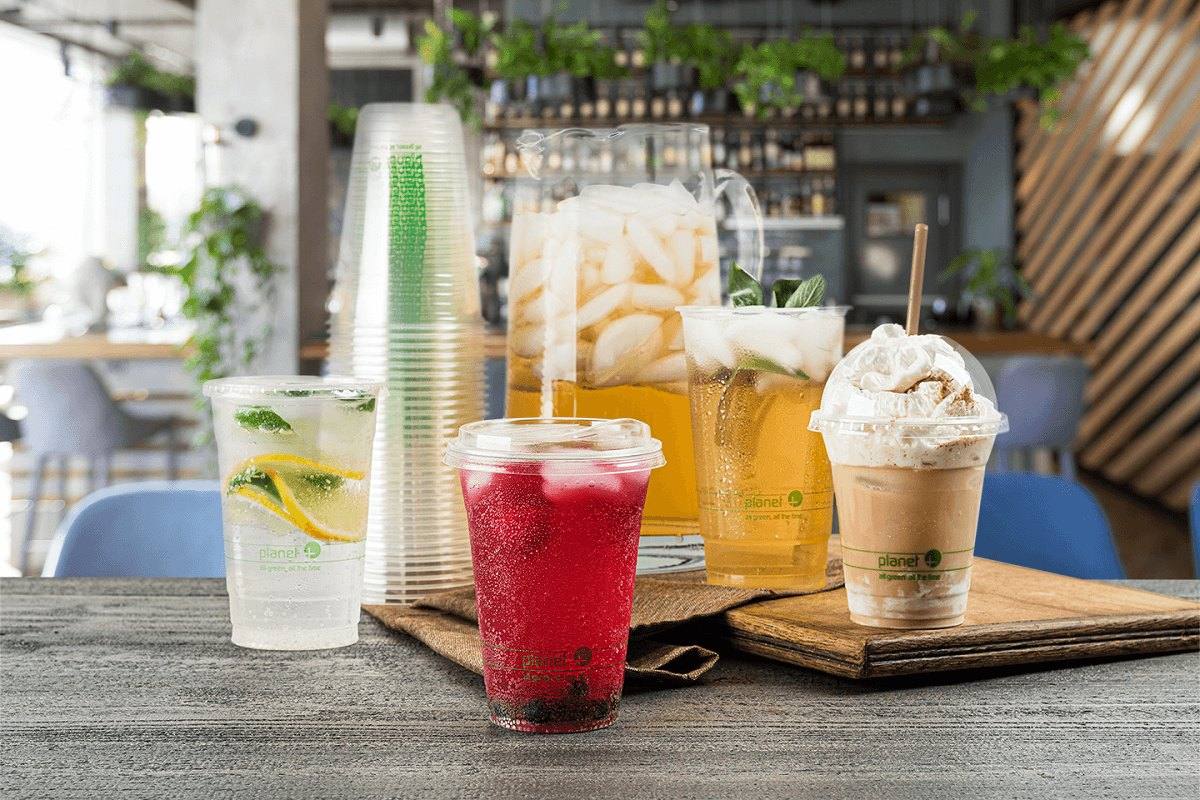
Polylactic acid, better known as PLA, is a clear bioplastic made from fermented plant sugars, most commonly cornstarch or sugarcane. It looks and feels like the PET plastic used in traditional cold cups, but the raw material comes from an annually renewable crop rather than crude oil.
How PLA is produced
Plant starch is broken down into simple sugars, fermented into lactic acid, and then polymerized into long PLA chains. The finished resin can be molded, extruded, or thermoformed just like conventional plastic.
Temperature limits
PLA is a cold and cool application material. It holds up beautifully for iced drinks, cold brew, kombucha, and smoothies, but it softens above 105 degrees Fahrenheit. That is why hot beverages use paper cups with a PLA lining rather than a solid PLA wall.
Composting the cup
PLA meets ASTM D6400 and breaks down cleanly in a commercial composting facility. It does not compost in a backyard bin, and it is not recyclable in the PET stream. In fact, PLA is a contaminant in PET recycling, which is why clear labeling matters at the bin.
Where PLA shines
- Cafes and coffee shops that already have compost pickup
- Juice bars, smoothie shops, and cold brew brands
- Event bars serving beer, wine, or cocktails from taps
- Retail packaging for chilled ready to eat foods
Keep reading
What Does ASTM D6400 Actually Mean for Compostable Packaging?
If a product is labeled compostable, ASTM D6400 is usually the reason. Here is what the standard tests, why BPI certification matters, and how to spot greenwashing.
PFAS Free Foodservice Packaging: Why It Is Now the Baseline
By 2026, more than a dozen U.S. states restrict PFAS in foodware. Here is what changed, what to swap out, and how to verify a supplier's claims.