
Operations
A Restaurant Owner's Guide to Switching to Compostable Packaging
October 30, 2025 · 7 min read
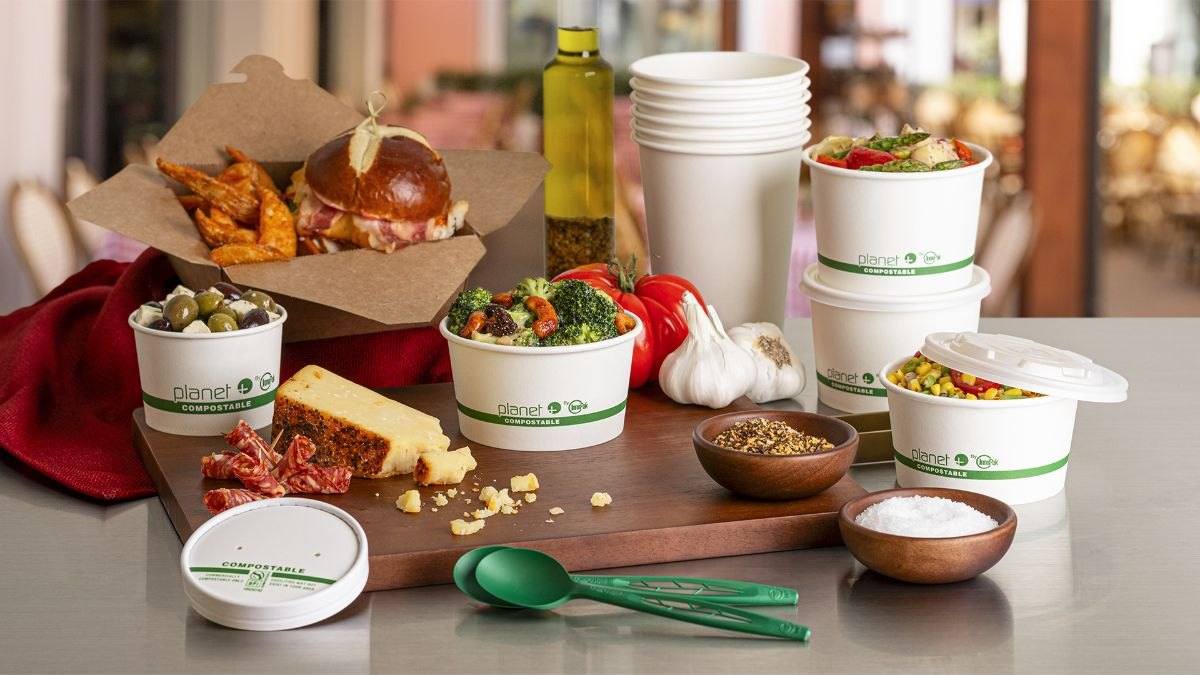
Restaurants that try to swap every packaging SKU in one weekend usually end up with mismatched lids, stockouts, and a very frustrated line cook. A phased plan works better.
Week 1: Audit
Walk your line and list every disposable item you touch, from the espresso cup to the deli container to the sauce cup and lid. Note case counts per week and current unit prices. You cannot switch what you have not measured.
Week 2: Match SKUs
Ask a compostable supplier to quote drop in replacements for your top 10 volume items. Confirm each item is BPI certified and PFAS free, and that lids fit the cups you are quoted, not a similar looking product from a different family.
Week 3: Pilot
Order a two week supply of your top three items. Run them through a full service, gather feedback from front and back of house, and check for issues such as sagging bowls, leaky lids, or heat performance. Adjust before you commit.
Week 4: Roll out and train
Once the top three items are working, roll out the rest in one delivery. Post a quick reference sheet in the pass so cooks and expo staff know which stream each item belongs to. Update your online menu and delivery packaging so customers see the change.
Post launch
Weigh compost, recycling, and landfill for the first month and share the numbers with your team. Visible metrics keep the effort alive after the initial excitement wears off.
Keep reading
What Does ASTM D6400 Actually Mean for Compostable Packaging?
If a product is labeled compostable, ASTM D6400 is usually the reason. Here is what the standard tests, why BPI certification matters, and how to spot greenwashing.

PFAS Free Foodservice Packaging: Why It Is Now the Baseline
By 2026, more than a dozen U.S. states restrict PFAS in foodware. Here is what changed, what to swap out, and how to verify a supplier's claims.