
Materials
Sugarcane Bagasse: How a Sugar Mill Byproduct Became Better Packaging
January 8, 2026 · 5 min read
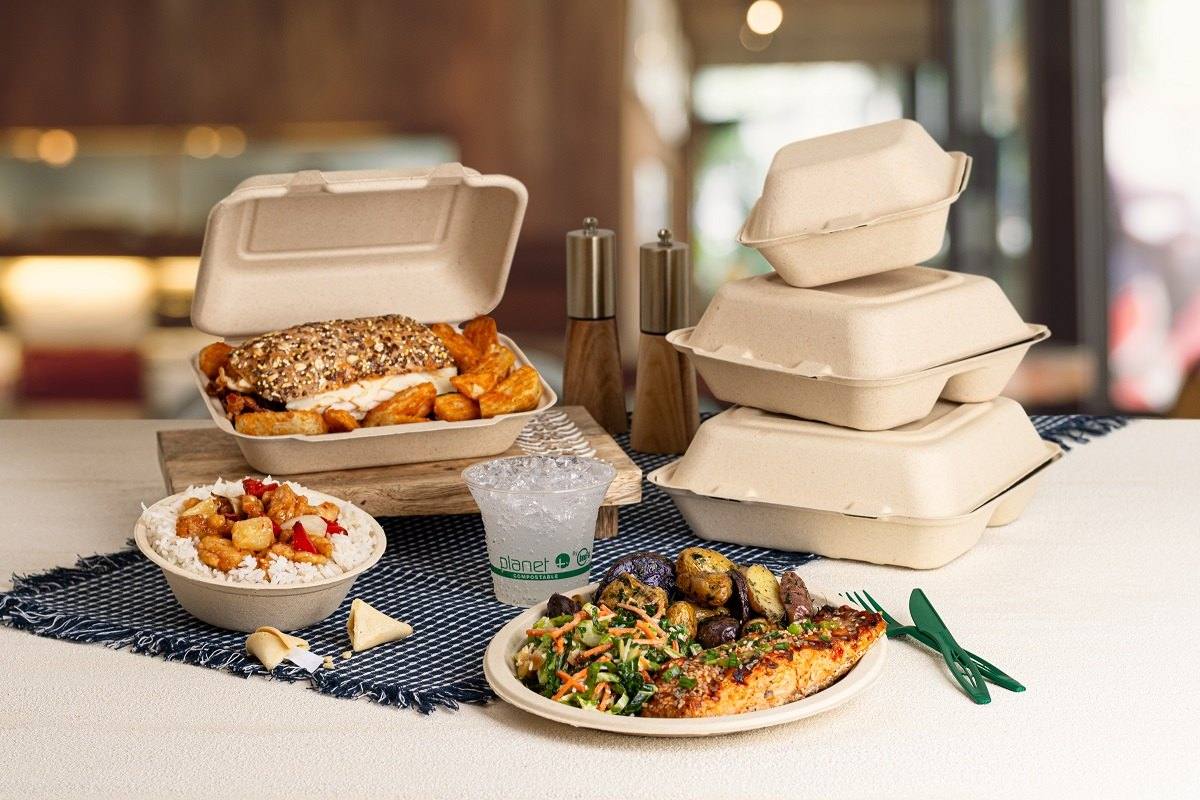
Bagasse is the dry, fibrous residue left after sugarcane stalks are crushed to extract juice. For most of the last century, sugar mills either burned it for fuel or landfilled it. Today, a growing share of that fiber is molded into plates, bowls, and clamshells that outperform paper and Styrofoam.
How bagasse packaging is made
- Sugarcane stalks are pressed for juice, leaving raw fiber.
- The fiber is washed, refined, and mixed with water into a pulp slurry.
- The slurry is fed into heated molds under pressure, forming the finished plate or bowl.
- Finished pieces are dried, trimmed, and inspected for consistency.
Why it holds up to real food
Bagasse fiber is naturally long and strong, which gives molded pieces the rigidity to handle a wet sandwich or a hot pasta dish without sagging. Modern refining allows manufacturers to hit oil and water resistance targets without PFAS, using pulp geometry and plant based additives instead of fluorinated coatings.
End of life
BPI certified bagasse breaks down in commercial composting within 60 to 90 days on average, well inside the ASTM D6400 window. Many products are also home compostable, though the timeline stretches to six months or more without commercial heat.
Where it fits best
Hot buffets, cafeteria service, catered lunches, grab and go bowls, and event dining. Anywhere plastic plates used to dominate, bagasse is now a like for like swap with a friendlier end of life story.
Keep reading

What Does ASTM D6400 Actually Mean for Compostable Packaging?
If a product is labeled compostable, ASTM D6400 is usually the reason. Here is what the standard tests, why BPI certification matters, and how to spot greenwashing.
PFAS Free Foodservice Packaging: Why It Is Now the Baseline
By 2026, more than a dozen U.S. states restrict PFAS in foodware. Here is what changed, what to swap out, and how to verify a supplier's claims.