
Wholesale
A Wholesale Buyer's Guide to Compostable Packaging
July 11, 2025 · 6 min read
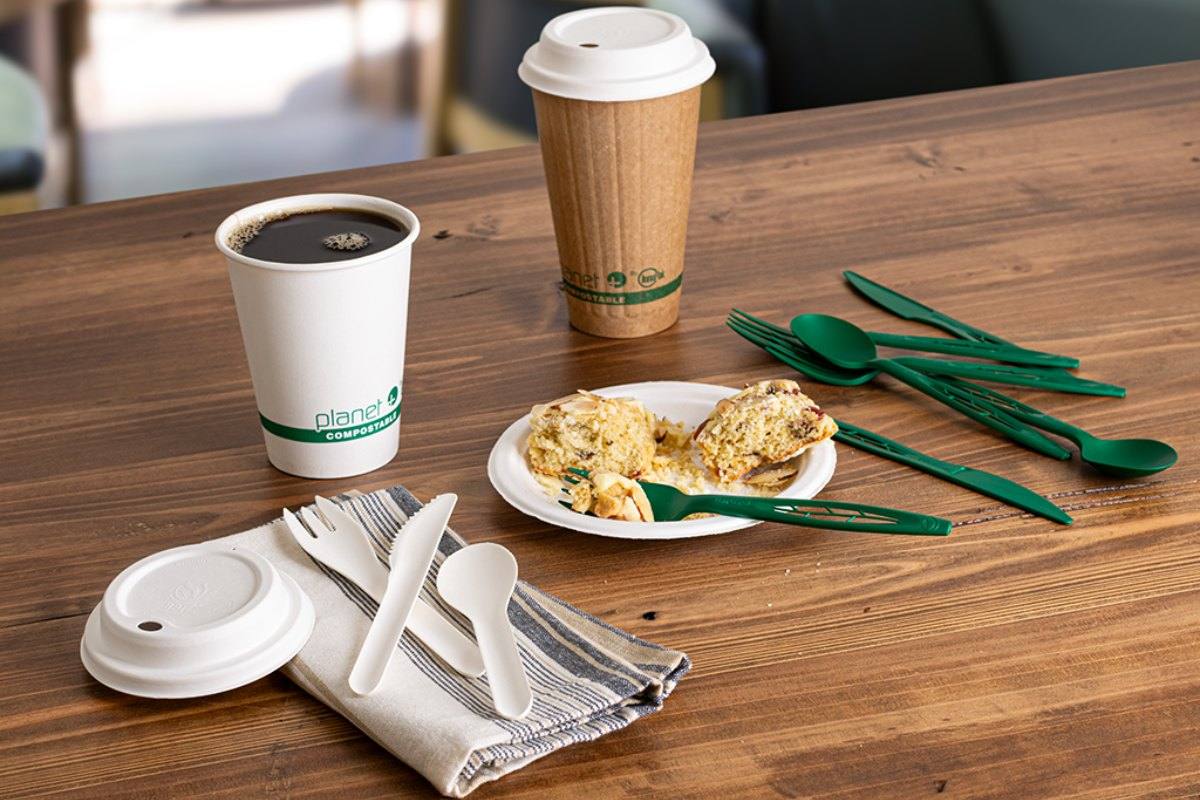
Buying compostable packaging at wholesale is a different sport than buying a single case for one location. Below is the checklist we send to every distributor, chain, or large foodservice buyer that opens a wholesale account with us.
1. Current BPI certificates
Certificates expire. Ask for the current PDF for every SKU you plan to carry, and confirm the manufacturer name matches your invoice.
2. Certificate of Analysis on PFAS
For any state with PFAS restrictions, you want a CoA that shows total fluorine under 100 ppm. This is your defense if a state or third party lab tests a product from your shelf.
3. Freight and lead time transparency
Compostable materials often ship from a mix of domestic and overseas facilities. Ask for realistic lead times at your typical order size, and get written confirmation of any freight surcharges.
4. Case pack and pallet configuration
Efficient pallet builds save real dollars. Ask for cases per pallet, pallet dimensions, and stacking limits before you commit to a purchase order.
5. Private label options
Many buyers want their own brand printed on cups, bowls, and boxes. Ask about minimum print runs, tooling fees, and lead times separately from the standard SKU program.
6. Sample program
Any supplier serious about wholesale offers a sample program with free or heavily discounted small quantities so your operators can test before committing to pallet quantities.
Keep reading
What Does ASTM D6400 Actually Mean for Compostable Packaging?
If a product is labeled compostable, ASTM D6400 is usually the reason. Here is what the standard tests, why BPI certification matters, and how to spot greenwashing.

PFAS Free Foodservice Packaging: Why It Is Now the Baseline
By 2026, more than a dozen U.S. states restrict PFAS in foodware. Here is what changed, what to swap out, and how to verify a supplier's claims.